
Introduction
Properly storing food in refrigerator is essential for maintaining freshness, preventing foodborne illness, and reducing unnecessary waste. Many food safety issues and flavor losses are caused not by the refrigerator itself, but by incorrect storage habits. This guide explains how to store different types of food correctly and what to avoid to keep your refrigerator efficient and your food safe.
Storing Different Types of Food in the Refrigerator
Different foods have different storage requirements. Placing everything randomly in the refrigerator can lead to faster spoilage and contamination.
Storing Fresh Produce
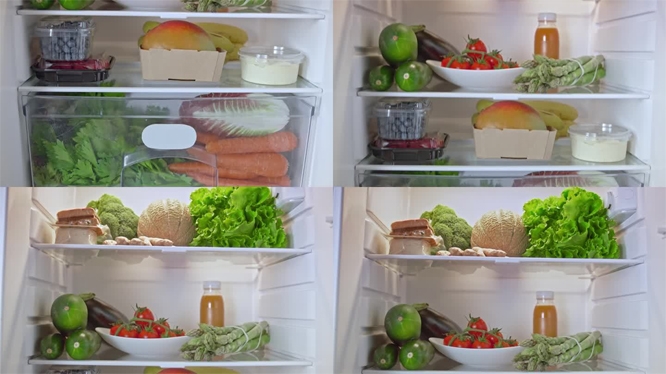
Fresh fruits and vegetables require proper moisture and airflow control.
Leafy greens should be stored in breathable bags or containers with a paper towel to absorb excess moisture. Root vegetables such as carrots and radishes should be kept in sealed containers to prevent drying out. Some fruits, like apples and berries, store well in the refrigerator, while others—such as bananas, tomatoes, and avocados—are better kept at room temperature to preserve texture and flavor.
Always wash produce only before use, not before refrigeration, to avoid excess moisture that can accelerate spoilage.
Storing Meat, Poultry, and Seafood
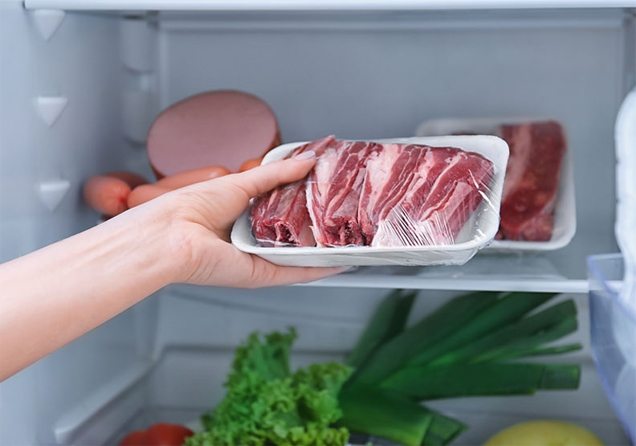
Raw meat, poultry, and seafood must be stored carefully to prevent cross-contamination.
These items should always be placed on the lowest shelf of the refrigerator to avoid dripping onto other foods. Keep them in sealed packaging or airtight containers. Raw poultry and seafood have shorter refrigerator storage times than red meat and should be used as soon as possible.
Cooked meat should be stored separately from raw meat and consumed within a few days.
Storing Dairy Products and Eggs
Dairy products are sensitive to temperature changes.
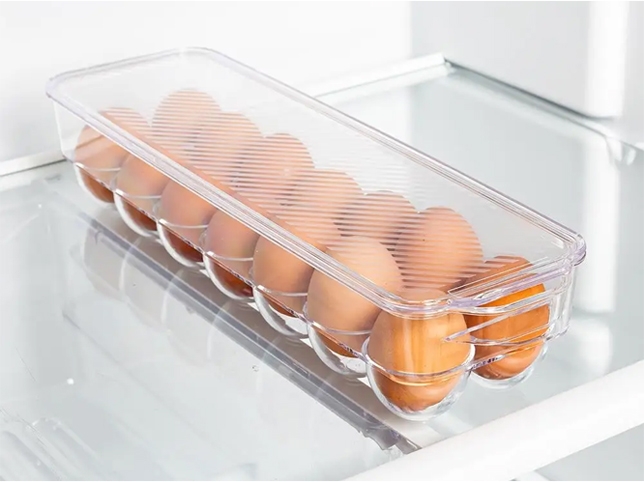
Milk, yogurt, and cheese should be stored on interior shelves where temperatures remain consistent, not on the refrigerator door. Cheese should be wrapped properly to allow minimal airflow while preventing moisture loss. Eggs should remain in their original carton, which protects them from absorbing odors and helps maintain freshness.
Avoid placing dairy products near strong-smelling foods to prevent odor transfer.
Storing Cooked and Leftover Foods
Cooked food should be cooled to room temperature before refrigeration, but not left out for more than two hours.
Store leftovers in airtight containers to prevent moisture loss and contamination. Clear containers make it easier to identify food and reduce the risk of forgetting leftovers.
How Long Leftovers Last in the Refrigerator
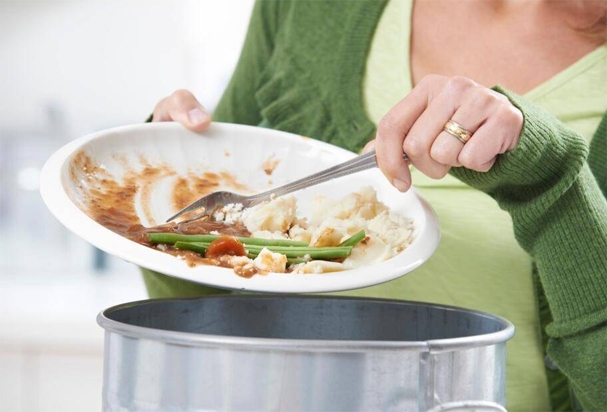
Most cooked leftovers remain safe for 3 to 4 days when stored at or below 40°F (4°C). Soups, cooked vegetables, and grains typically last up to four days, while cooked seafood should be consumed within two days. If leftovers develop an off smell, texture change, or visible mold, they should be discarded immediately.
Things to Pay Attention to When Storing Food
Refrigerator temperature should be kept between 34°F and 40°F (1°C to 4°C) to slow bacterial growth. Always seal food properly and label containers with storage dates. Avoid overcrowding the refrigerator, as proper air circulation is necessary for even cooling.
Raw foods should never be stored above ready-to-eat foods. Regular cleaning of shelves and drawers also helps prevent contamination and odors.
Consequences of Incorrect Food Storage
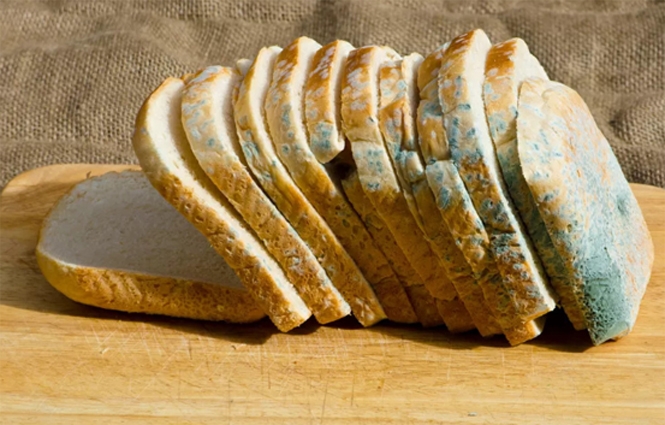
Incorrect food storage can lead to rapid spoilage, bacterial growth, and food safety risks. Poor storage practices often cause food to lose flavor, texture, and nutritional value. Over time, these mistakes increase food waste and lead to higher grocery costs, while also increasing the risk of foodborne illness.
Conclusion
Storing food in refrigerator the right way is a simple but critical habit. By understanding how different foods should be stored, paying attention to temperature and placement, and avoiding common storage mistakes, you can keep food fresh longer, reduce waste, and protect your health. A well-organized refrigerator is not just convenient—it is essential for safe and efficient food storage.