
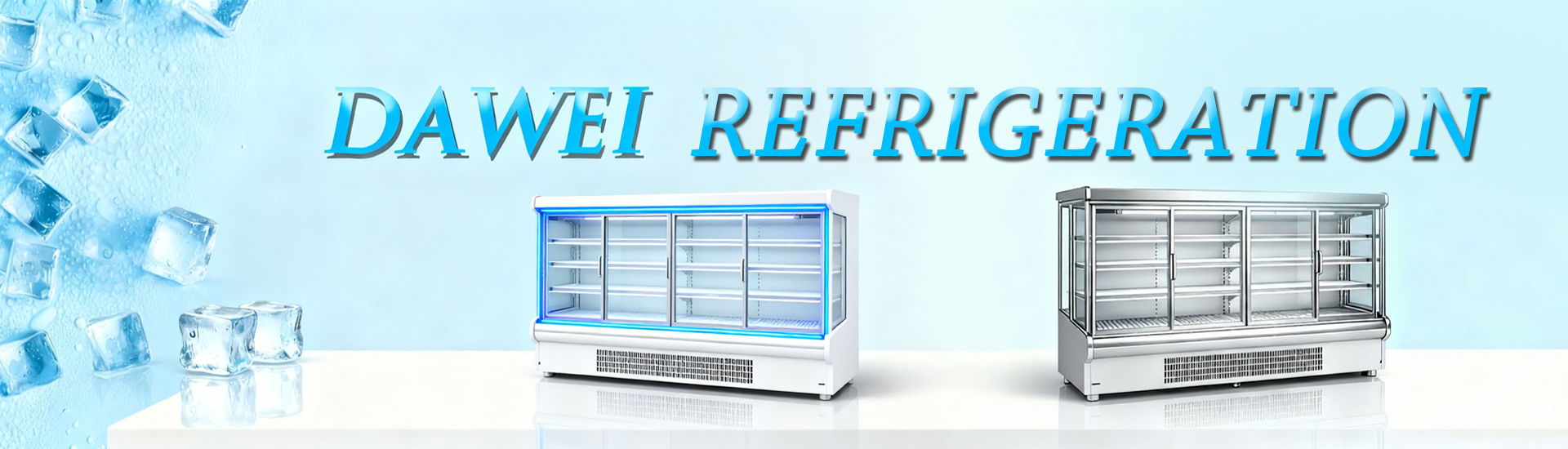
For any foodservice or hospitality business, refrigeration operates 24/7/365. This constant operation means that an inefficient system doesn't just waste energy—it actively drains your profits. If you are relying on aging equipment, your commercial refrigerator freezer could be costing you thousands of dollars annually in spiked utility bills, spoiled inventory, and emergency repair fees.
Investing in a high-efficiency commercial freezer is no longer just an eco-friendly gesture; it is a critical strategy to optimize your bottom line. This comprehensive guide breaks down how upgrading to modern, energy-efficient units solves your biggest operational pain points and delivers a massive return on investment (ROI).
1. The Real Cost of an Inefficient Freezer Commercial Unit
Many business owners focus solely on the upfront sticker price when buying refrigeration equipment. However, the true cost of ownership lies in daily operations.
Standard or outdated freezer commercial units come with hidden financial drains:
Skyrocketing Energy Bills: Worn door gaskets, degrading insulation, and aging compressors force the motor to run continuously, inflating electricity costs.
Premature Food Spoilage: Fluctuating internal temperatures lead to freezer burn or partial thawing, ruining high-value ingredients.
The "Repair Trap": Cheaply made models require frequent technician calls for faulty controllers, fan motors, and broken hinges, disrupting peak kitchen hours.
2. Smart Space Optimization: The Power of Combo Units
For commercial kitchens, cafes, or convenience stores where floor space is at a premium, running separate refrigerator and freezer units is often inefficient and expensive.
Investing in a commercial fridge freezer combo (also widely searched as a commercial refrigerator freezer combo or a commercial fridge freezer) offers immediate logistical and financial benefits:
Reduced Footprint: Combining cooling and freezing into a single footprint frees up valuable square footage for prep lines or foot traffic.
Lower Initial Capital Expenditure: Purchasing one high-quality commercial fridge freezer is often more cost-effective than buying two separate industrial machines.
Streamlined Workflow: Chefs and kitchen staff can access both chilled and frozen ingredients at a single station, accelerating ticket times during the dinner rush.
3. Maximizing ROI with Vertical Storage Design
When evaluating kitchen layouts, ergonomics and airflow are paramount. This is why choosing an upright commercial freezer—frequently called a commercial stand up freezer—is the industry standard for high-efficiency back-of-house storage.
+-----------------------------------------------------+
|        BENEFITS OF VERTICAL FREEZER DESIGN
+-----------------------------------------------------+
|  1. Vertical Organization -> Faster ingredient find
|  2. Optimized Airflow     -> Prevents hot spots
|  3. Smaller Footprint     -> Saves kitchen space
+-----------------------------------------------------+
An upright commercial freezer reduces labor costs and energy waste through structural efficiency:
Faster Access, Less Cold Air Loss: Organized shelving in a commercial stand up freezer allows staff to locate items in seconds. This minimizes "door-open time," preventing stable cold air from escaping.
Consistent Temperature Zones: Modern vertical units feature advanced internal fan systems that ensure uniform temperatures from the top shelf to the bottom rack, eliminating the risk of food spoilage.
4. Why the 2 Door Commercial Freezer is the Kitchen Workhorse
For medium-to-high volume operations, selecting a commercial reach in freezer requires a balance between capacity and thermal efficiency. The 2 door commercial freezer hits the absolute sweet spot for most foodservice businesses.
Why B2B Buyers Prefer 2-Door Reach-In Models:
Split-door and multi-door configurations mean you only open the specific section you need. Opening one door of a 2 door commercial freezer keeps the other half completely sealed, protecting half of your inventory from ambient kitchen heat and saving significant compressor energy.
Furthermore, a heavy-duty commercial reach in freezer engineered for high efficiency features self-closing doors, high-density polyurethane insulation (often 60mm or thicker), and specialized micro-computer temperature controllers that quickly recover target temperatures after a door is closed.
5. Summary: Where Do the Thousands in Savings Come From?
To summarize how a premium commercial refrigerator freezer pays for itself over time, let's look at the direct financial impacts:
| Feature | Low-End/Aging Unit | High-Efficiency Unit | Financial Impact |
| Energy Consumption | Continuous drawing, poor insulation | Variable-speed compressors, EC fans | Saves 30%–40% on monthly utility bills. |
| Inventory Protection | High risk of temperature drift | Digital alarms & remote monitoring | Prevents thousands in lost meats/seafood. |
| Maintenance | Frequent breakdown of cheap parts | Stainless steel build, heavy-duty hinges | Eliminates emergency service call-out fees. |
FAQ: Frequently Asked Questions
Q: Is a commercial refrigerator freezer combo as reliable as two standalone units?
A: Absolutely. Modern commercial refrigerator freezer combo units are engineered with separate, dedicated compressors and independent digital temperature controllers for both the fridge and freezer sections. This ensures zero cross-temperature interference and institutional-grade reliability.
Q: What should I look for to ensure a commercial freezer is high-efficiency?
A: Look for key indicators such as Energy Star certification, the utilization of eco-friendly hydrocarbon refrigerants (like R290), high-density cyclopentane insulation, and Electronically Commutated (EC) fan motors which use up to 70% less electricity than shaded-pole motors.