
Introduction
A household freezer is one of the most important appliances in any modern home. When used correctly, it not only keeps food fresh and safe but also helps save on electricity bills and extends the appliance’s lifespan. Below, we’ll walk through the essential practices for freezer placement, operation, cleaning, and long-term care.
Placement and Installation
The way you set up your freezer has a big impact on its performance:
· Level Positioning: Always place your freezer on a flat, solid floor. If necessary, adjust the leveling feet to keep it stable and reduce vibration noise.
· Proper Ventilation: Freezers generate heat during operation, so leave at least 10 cm of clearance on the back and sides. Keep the unit away from direct sunlight and heat sources like ovens or radiators.
· Dedicated Power Supply: Plug into a grounded three-prong outlet with stable voltage. Avoid extension cords to reduce fire risks and power fluctuations.
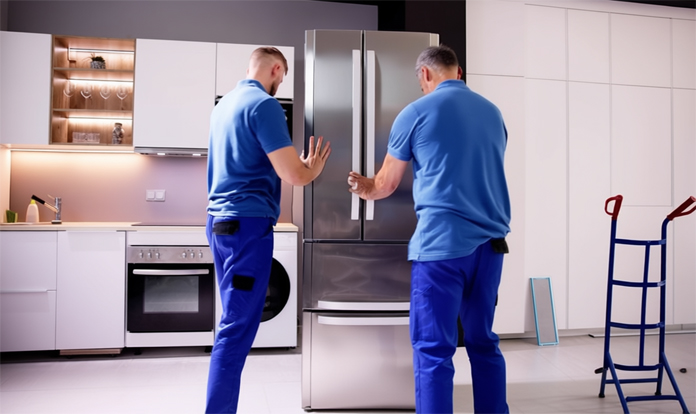
 Tip: If your kitchen space is limited, consider measuring the area carefully before purchase to ensure you have adequate airflow clearance.
Daily Operation Best Practices
Everyday use habits play a major role in freezer efficiency and food safety:
· Avoid Frequent Opening: Minimize door openings and keep them brief to reduce cold air loss and extra energy use.
· Do Not Overload: Keep the freezer around 80% full. This allows air to circulate properly, ensuring even cooling.
· Organize Food Storage: Label food packages with storage dates and practice “First-In, First-Out” (FIFO) to reduce waste.
· Cool Food Before Freezing: Never place hot or warm food directly inside. Always let it cool to room temperature first.
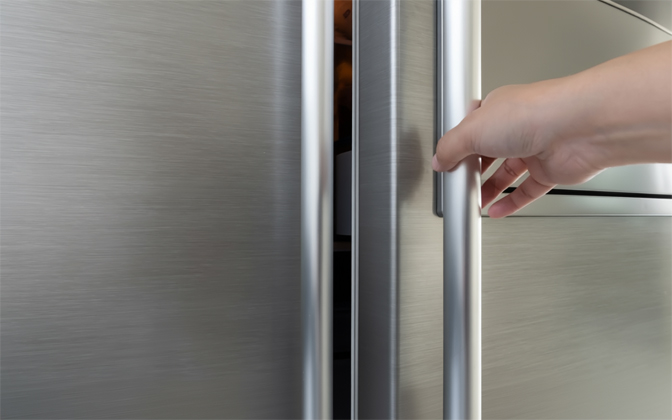
· Close the Door Properly: Ensure the door is shut tightly so the gasket seals completely, preventing cold air leaks.
Cleaning and Maintenance
Regular maintenance prevents frost buildup, keeps the interior hygienic, and improves efficiency:
· Defrosting: For manual-defrost models, remove frost when it reaches 5–7 mm thick. Heavy frost reduces cooling performance and increases energy usage.
· Routine Cleaning: Aim for a deep clean at least once or twice a year.
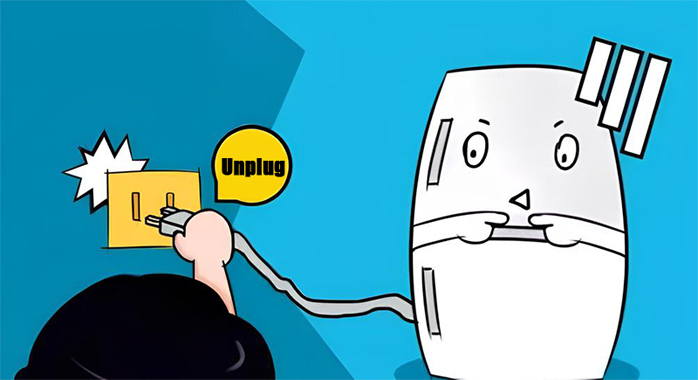
1. Unplug the freezer before cleaning.
2. Empty all food and allow frost to melt naturally. Avoid using sharp objects to remove ice.
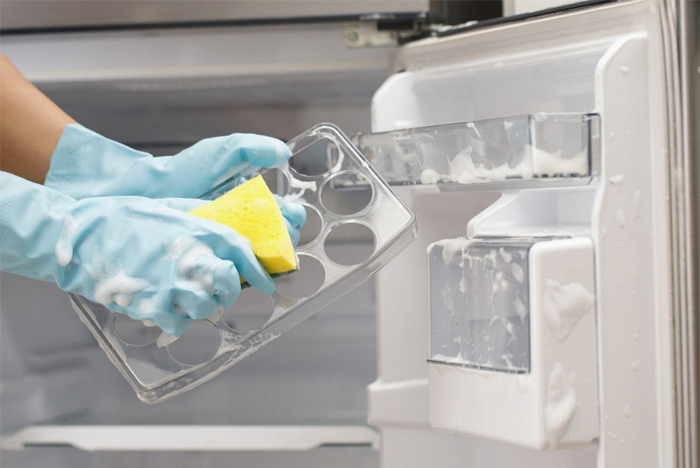
3. Wipe the interior, baskets, and door gasket with a neutral cleaning solution, then rinse with clean water.
4. Dry thoroughly with a cloth before plugging back in.
· Check Door Gasket: Inspect the seal regularly for dirt, cracks, or deformation. A tight seal prevents energy waste.
 Tip: Slip a piece of paper between the gasket and the door frame. If you can pull it out easily, it may be time to replace the seal.
Long-Term Storage
If you plan to leave your freezer unused for an extended period:
· Unplug the unit and remove all stored food.
· Clean the interior thoroughly and allow it to air dry.
· Leave the door slightly open to prevent mold growth and unpleasant odors.
Conclusion
By following these freezer care and maintenance practices, you can ensure optimal performance, reduce energy consumption, and extend the life of your appliance. A little attention to placement, daily operation, and regular cleaning goes a long way toward keeping your household freezer reliable for years to come.