

Introduction
Selecting a commercial freezer is a major investment for restaurants, convenience stores, and retail businesses. The right unit not only protects food safety but also improves efficiency and lowers long-term operating costs. To help you make an informed decision, here’s a breakdown of the key factors to consider before purchasing.
Choose the Right Type and Capacity
Every business has unique storage needs, and the type of freezer you select should reflect that.
· Upright Freezers: Space-saving design with easy access, making them ideal for kitchens and convenience stores.
· Chest Freezers: Known for large capacity and energy efficiency, perfect for bulk storage.
· Worktop Freezers: Double as a preparation surface, a smart choice for small shops with limited space.
· Display Freezers: Feature glass doors to showcase products in retail environments.
· Walk-in Freezers: Designed for very large-scale storage in warehouses or central kitchens.
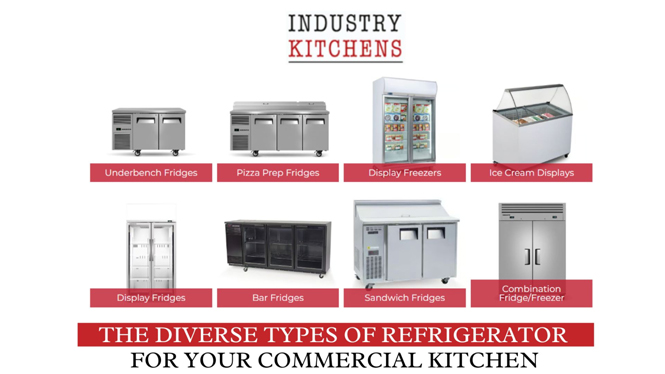
When calculating capacity, estimate based on daily storage volume and procurement frequency. A general guideline is 60–70 liters per person, plus an additional 20% buffer. Avoid oversizing—the extra unused space will waste energy.
 Tip: If your menu changes seasonally, choose a freezer slightly larger than your current needs to prevent overcrowding during peak times.
Prioritize Core Performance Features
The internal systems of a freezer largely determine its efficiency, durability, and food safety.
Cooling System
· Frost-Free (Air Cooling): Recommended option. Provides even temperature, automatic defrost, and minimal maintenance.
· Direct Cooling: Lower cost upfront, but requires manual defrosting and may create temperature inconsistencies.
Compressor
· Inverter Compressor: Best choice. Offers stable temperature, energy savings, quieter operation, and longer lifespan.
· Fixed-Speed Compressor: Cheaper initially but less efficient and more prone to temperature fluctuations.
Circulation System
· Dual/Multi-Cycle: Provides independent cooling for fridge and freezer compartments, eliminating odor transfer and improving temperature control.
· Single Cycle: Lower price, but less effective in odor and energy management.
Interior Material
· 304 Stainless Steel: Highly durable, corrosion-resistant, odor-free, and easy to sanitize.
· Zinc-Coated or Aluminum Plate: Lower cost, but not as long-lasting or hygienic.

Energy Efficiency and Cost Considerations
Energy consumption directly impacts your operating expenses.
· Energy Rating: In China, check the China Energy Label. A Grade 1 rating is most efficient and saves money in the long run despite higher upfront cost.
· Total Cost of Ownership: Consider purchase price plus electricity and maintenance costs rather than focusing only on the initial investment.
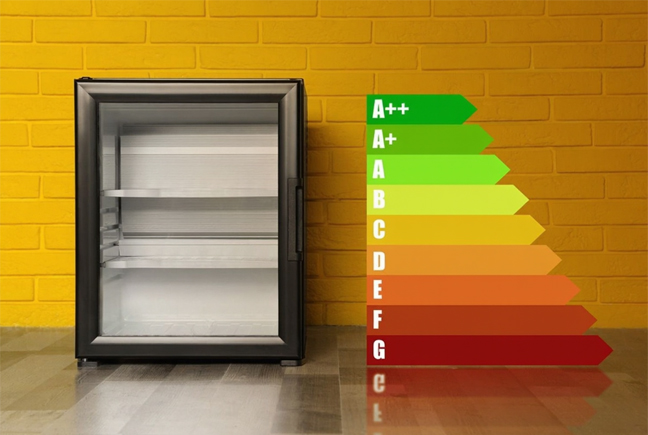
 Tip: Over a 5–10 year lifespan, a Grade 1 energy-rated freezer can save thousands in electricity bills compared to a Grade 3 unit.
Design Details That Matter
Small design features often make a big difference in daily operation.
· Ventilation Space: Ensure at least 20cm clearance around the freezer for proper heat dissipation.
· Door Seals: Test the gasket and magnet strength—a poor seal causes cold air leaks and higher electricity use.
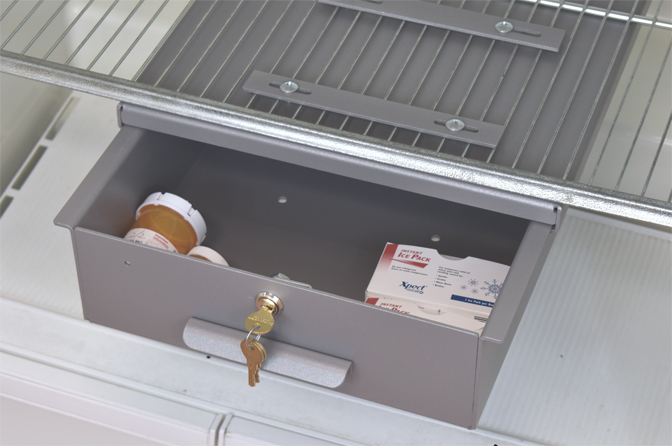
· Accessories & Features: Adjustable shelves, locks, internal lighting, and castors for mobility all add convenience.
· After-Sales Support: Choose a trusted brand with strong after-sales service, available spare parts, and a clear warranty policy.
Quick Buyer’s Checklist
· Type: Upright, Chest, Worktop, Display, or Walk-in
· Capacity: Calculate storage needs and add buffer
· Technology: Frost-Free, Inverter Compressor, Dual-Cycle Cooling
· Material: 304 Stainless Steel interior preferred
· Efficiency: Grade 1 energy rating recommended
· Dimensions: Check installation and ventilation requirements
· Brand: Ensure warranty and local service availability
Conclusion
A commercial freezer is more than just a storage unit—it’s a long-term investment in efficiency, food safety, and cost savings. By carefully considering type, capacity, core performance, energy efficiency, and brand support, you’ll select a freezer that meets your business needs today and adapts to future growth.