

Introduction
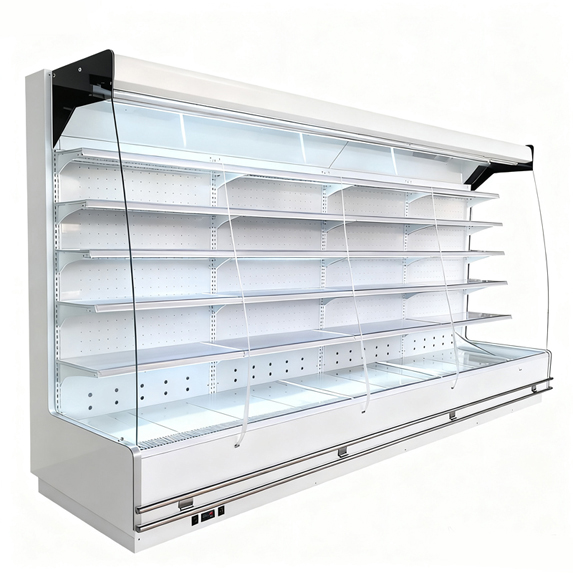
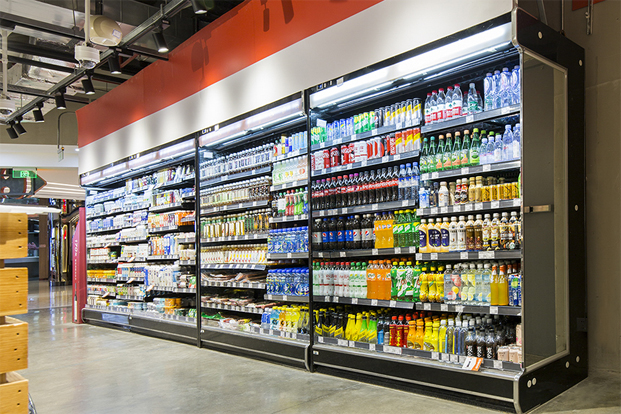
Air curtain refrigerators (also known as open display fridges or air curtain coolers) are widely used in fruit shops, supermarkets, and shopping malls. They feature modern designs and high efficiency, making them ideal for displaying beverages, dairy, fruits, and other perishable goods.
However, when using a new air curtain refrigerator for the first time, there are several important steps to follow to ensure safety, performance, and longevity. Below are key precautions to help you start off the right way.
1. Inspect the Unit Upon Delivery
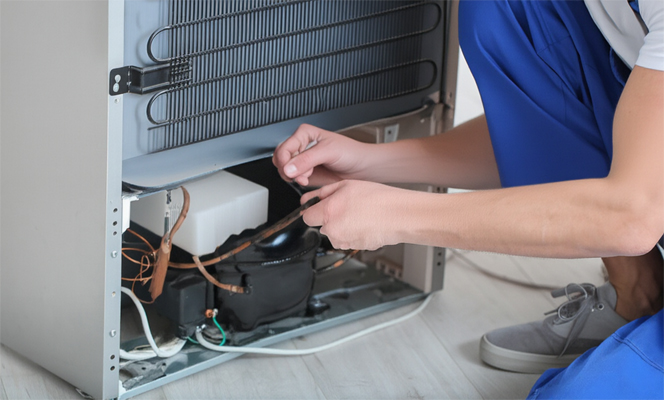
Before installation, carefully inspect the refrigerator for any signs of damage that may have occurred during transportation.
If everything looks fine, place the unit in a flat, stable position, away from direct sunlight or heat sources. Adequate ventilation is also important — make sure there is sufficient space between the back or sides of the refrigerator and the wall to allow for proper airflow and heat dissipation.
2. Run the Refrigerator Empty Before Storing Goods
Do not immediately load the refrigerator with products.
Before storing items, run the unit empty for about three hours. This allows the cooling system to stabilize and ensures that the internal temperature and airflow function correctly.
After confirming that it’s operating normally, disconnect the power briefly and then reload your products.
Avoid overloading the shelves — excessive goods can block cold air circulation, leading to uneven cooling or frost buildup, which may reduce efficiency or cause ice blockage.
3. Use a Dedicated Power Outlet
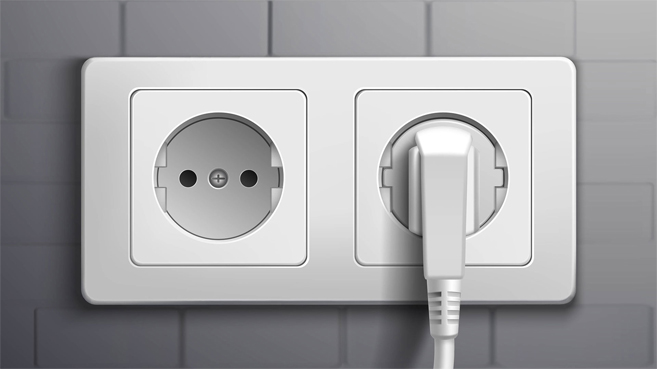
Because an air curtain refrigerator typically consumes more power than regular household appliances, it should be connected to a dedicated electrical outlet.
Avoid using shared sockets or extension cords, as overloading may cause overheating or electrical hazards. Proper electrical setup not only protects the equipment but also ensures stable cooling performance.
4. Choose the Right Voltage and Type of Unit
Different air curtain refrigerator models require different power configurations.
For units under 3 meters in length, both integrated (self-contained) and split-type systems are available — both usually run on 220V.
If the refrigerator is longer than 3 meters, it’s better to choose a split-type air curtain refrigerator that uses 380V power. This higher voltage supports larger cooling capacity and more stable operation, especially for commercial environments.
Conclusion
Proper installation and initial setup are essential for maximizing the performance and lifespan of your air curtain refrigerator.
By following these steps — inspecting the unit, pre-running it empty, using the right power connection, and selecting the proper voltage — you can ensure safe, efficient operation from day one.
For more professional refrigeration guidance or to explore Dawei’s full range of commercial display refrigerators, feel free to contact us anytime.