
Introduction
Choosing the right refrigerator can feel overwhelming with so many models, features, and technologies available. From single-door fridges designed for compact spaces to multi-door smart refrigerators equipped with Wi-Fi, understanding the differences can help you make a smarter decision for your home.
Let’s take a closer look at the main refrigerator types, core technologies, practical maintenance tips, and the key factors to consider before purchasing.
Types of Refrigerators
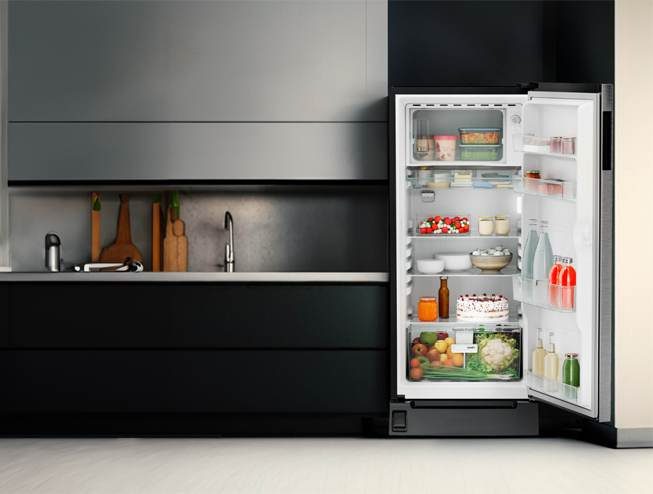
Single-Door Refrigerator
Compact in size and energy-efficient, single-door refrigerators are ideal for individuals or small households. The freezer compartment is usually small and located inside the top section.
Double-Door Refrigerator
The most common household choice. They come in two variations:
· Top Freezer: Freezer on top, fridge below. Affordable and practical.
· Bottom Freezer: Fridge on top, freezer at the bottom. More ergonomic since the frequently used fresh section is at waist level
Triple-Door Refrigerator
Adds a versatile third compartment that can switch between refrigeration and freezing. Perfect for storing seafood or meat you plan to cook soon.
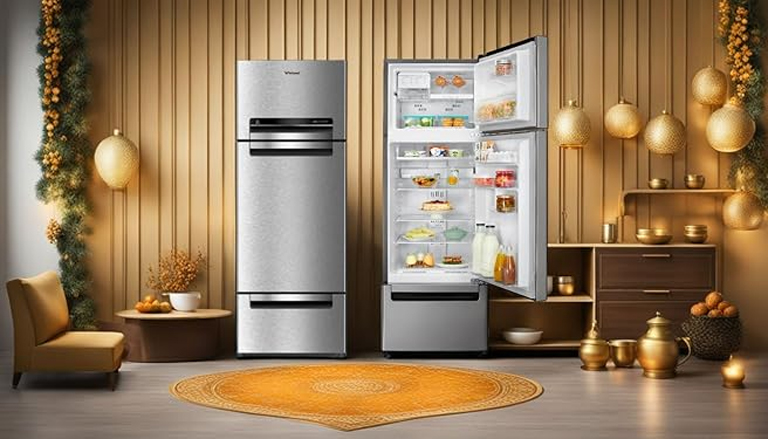
Side-by-Side Refrigerator
Features two vertical doors—freezer on the left and fridge on the right. Sleek and stylish with plenty of capacity, though the shelves may be narrower.
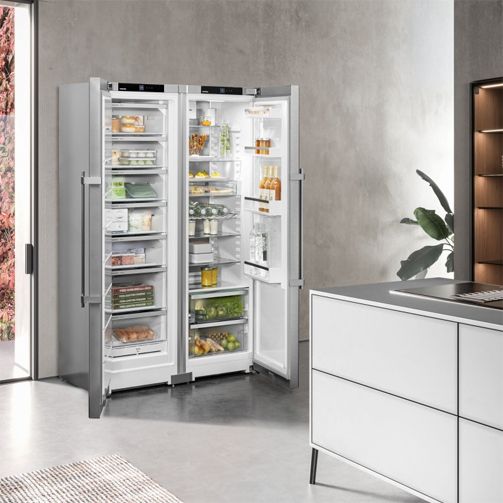
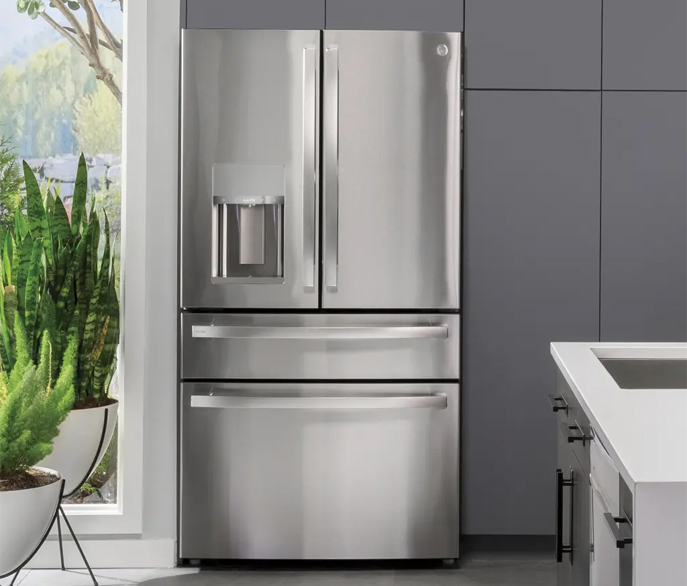
French-Door Refrigerator
Combines the benefits of side-by-side doors and a bottom freezer drawer. Well-organized, spacious, and convenient for large households.
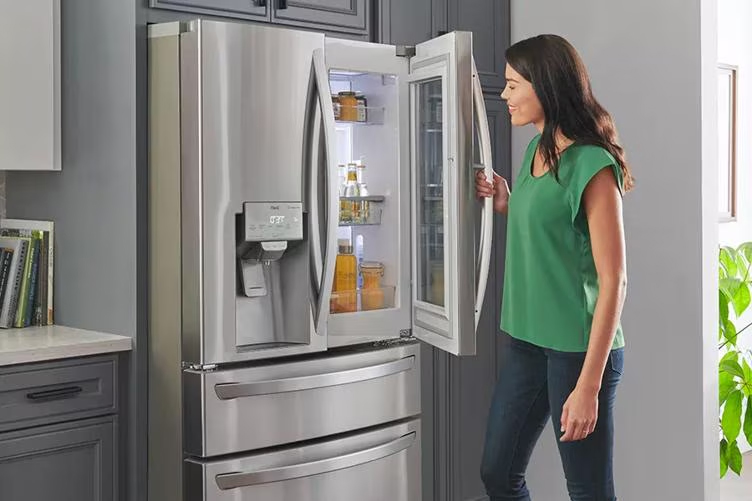
Multi-Door Refrigerator
Often with four or more doors, these premium models offer multiple zones: fresh food, frozen storage, flexible compartments, and humidity-controlled sections.
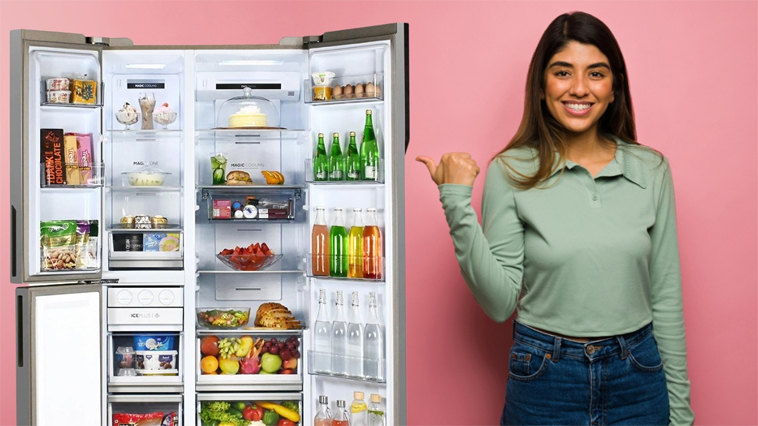
 Tip: If you have a large family or frequently store diverse ingredients, a French-door or multi-door refrigerator will save you time and frustration in daily use.
Core Technologies and Features
Cooling Systems
· Direct Cooling: Maintains moisture well but requires manual defrosting.
· Frost-Free (Fan Cooling): Even temperature distribution with automatic defrost, though food may dry out without airtight storage.
· Hybrid Cooling: Combines direct cooling in the fridge compartment and frost-free cooling in the freezer for the best of both worlds.
Circulation Systems
· Single-Cycle: One system for both fridge and freezer, which can lead to odors spreading.
· Dual-Cycle/Independent Dual Cooling: Separate systems for precise temperature control and no odor transfer—a must-have in mid- to high-end fridges.
Compressors
· Fixed-Speed (Conventional): Runs at one speed, higher energy consumption due to frequent stops and starts.
· Inverter (Variable Speed): Adjusts power output as needed, offering stable temperatures, energy savings, and quieter operation. Highly recommended.
Energy Efficiency
In China, refrigerators are rated from Level 1 (highest efficiency) to Level 5. Choosing higher efficiency reduces energy bills long term.
Additional Useful Features
· Dual Humidity Zones: Separate areas for fruits/vegetables (high humidity) and dry goods (low humidity).
· Anti-Bacterial & Deodorizing Technology: Keeps the air fresh inside.
· Ice Maker: Convenient for households that use ice frequently.
· Smart Wi-Fi Control: Adjust and monitor your fridge remotely with a mobile app.

Usage and Maintenance Tips
· Food Storage: Do not overfill the fridge; leave space for air circulation. Store cooked food in sealed containers to prevent odor transfer.
· Temperature Settings: Fresh food compartment around 4°C; freezer at -18°C or lower.
· Proper Cooling: Let hot food cool to room temperature before storing to avoid overloading the compressor.
· Regular Cleaning: Every 3–6 months, unplug and clean the interior with mild detergent. Don’t forget to clear the drainage hole.

 Tip: Consistent maintenance not only extends your refrigerator’s life but also keeps it running efficiently, saving energy over time.
Key Buying Considerations
When shopping for a refrigerator, consider the following:
· Capacity: Roughly 60–70 liters per person. Larger families or bulk buyers should opt for higher capacity.
· Type: Match your lifestyle and kitchen space (double-door, French-door, side-by-side, etc.).
· Technology: Prioritize inverter compressors, frost-free cooling, and dual-cycle systems.
· Energy Efficiency: Choose models with top efficiency ratings to reduce long-term costs.
· Brand and After-Sales Service: Reliable brands with good warranties are worth the investment.
· Dimensions: Measure your kitchen space carefully, including clearance for ventilation.
Conclusion
Refrigerators have evolved from simple cooling appliances to multifunctional, smart devices that combine energy efficiency, ergonomic design, and advanced technology. By understanding the types, key features, and proper maintenance practices, you can choose a refrigerator that fits your lifestyle, saves energy, and keeps your food fresher for longer.