
Introduction
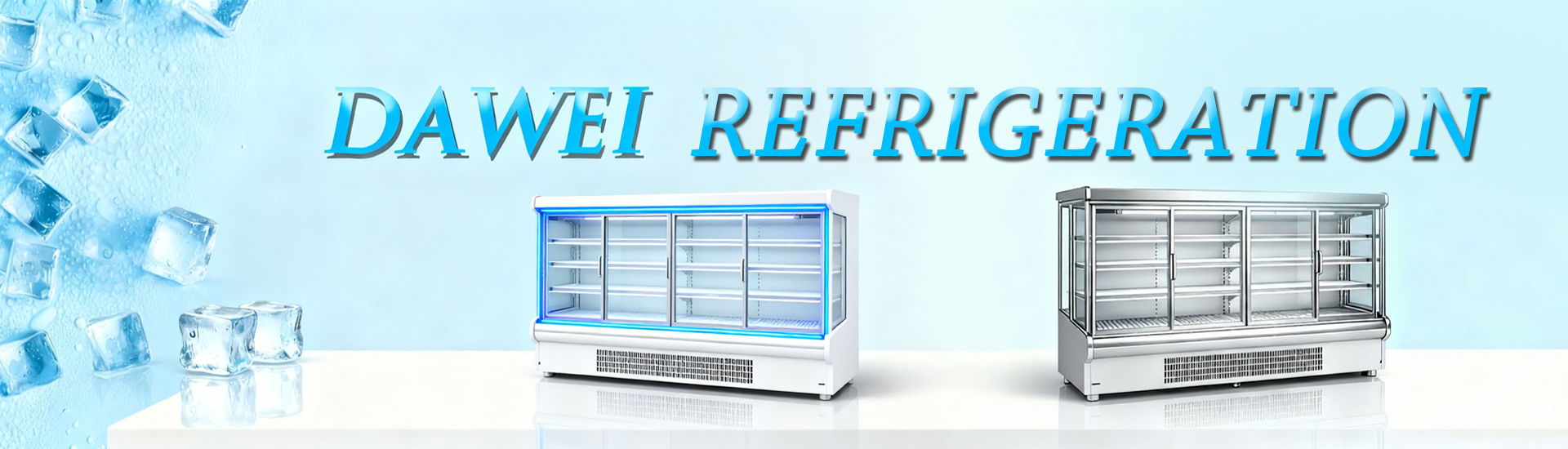
The commercial refrigeration industry is undergoing a remarkable transformation. No longer limited to basic cooling, tomorrow’s freezers are evolving into intelligent, eco-friendly, and user-focused systems designed to meet rising demands for efficiency, sustainability, and enhanced user experience. This shift is driven by new technologies, global environmental standards, and the growing need for precision in food storage and retail operations.
Let’s explore the four major directions shaping the next generation of commercial freezers.
Intelligence and Connectivity
Future freezers will act as smart terminals rather than simple storage units.
· Full-Chain Monitoring: By leveraging IoT technology, operators will be able to track temperature curves, energy consumption, and door-opening frequencies in real time. Cloud platforms will deliver instant alerts when irregularities occur, helping businesses react immediately.
· Predictive Maintenance: With AI-driven analytics, freezers will predict compressor wear, refrigerant leaks, or other malfunctions before they happen. This proactive approach minimizes downtime and reduces costly emergency repairs.
· Integrated Supply Chain Management: Smart freezers will seamlessly connect to supermarket or restaurant inventory systems. They’ll assist with stock tracking, expiration management, and even automated reordering, improving operational efficiency across the entire supply chain.
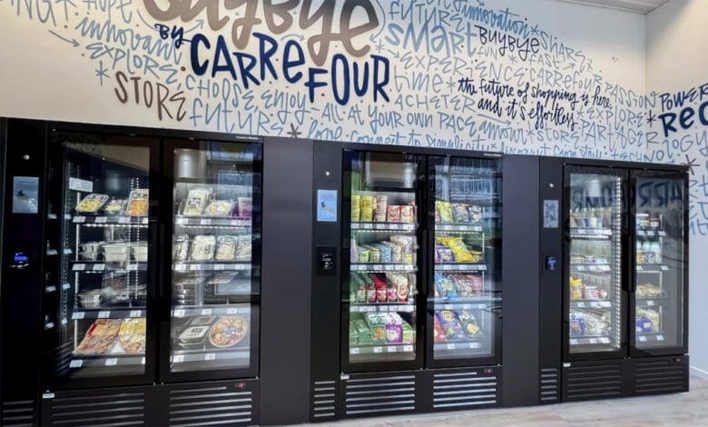
 Tip: Businesses that adopt smart freezers early will not only save on maintenance costs but also gain a competitive edge through streamlined supply chain management.
Sustainability and Energy Efficiency
As climate policies tighten, sustainability is becoming the foundation of freezer design.
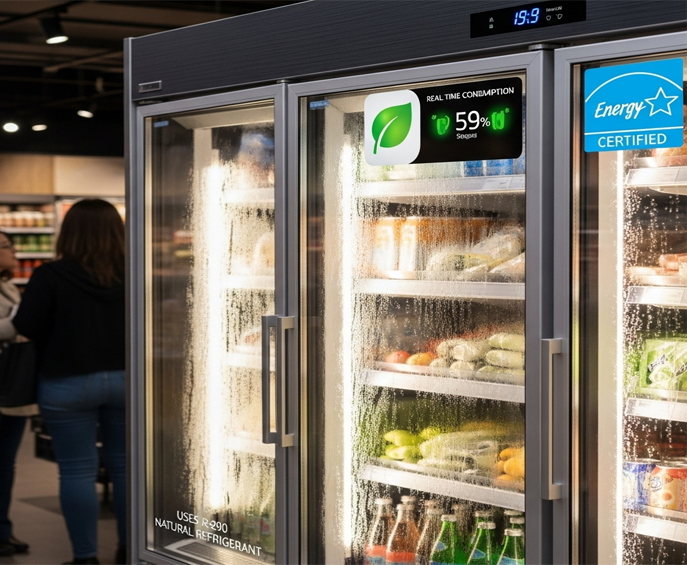
· Natural Refrigerants: CO₂ (R744) and propane (R290) are rapidly replacing fluorinated refrigerants due to their low global warming potential. These eco-friendly alternatives are becoming industry standards under the Kigali Amendment.
· Pushing Efficiency Limits: Advanced technologies such as inverter compressors, vacuum insulation panels, and high-efficiency heat exchangers will drastically cut energy usage, reducing long-term electricity bills.
· Full Life-Cycle Eco-Design: Freezers of the future will prioritize recyclable materials and modular construction, making repairs and upgrades easier while reducing waste at every stage—from manufacturing to disposal.
Specialization and Customization
Commercial refrigeration is shifting away from “one-size-fits-all” designs.
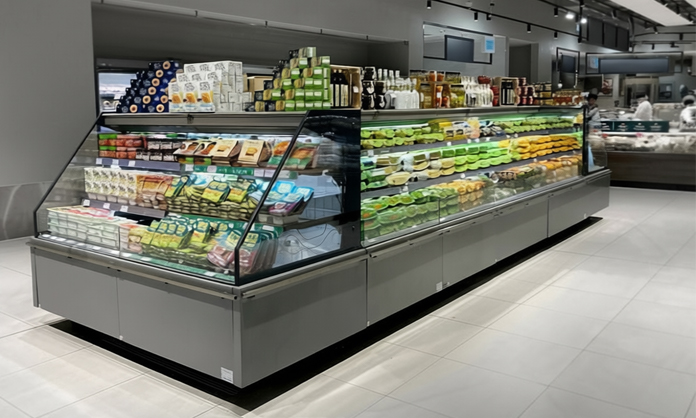
· Scenario-Based Storage: Freezers will increasingly be tailored to specific products such as premium ice cream, fresh seafood, or medical reagents. Each unit will deliver precise control over temperature and humidity to meet specialized requirements.
· Integrated Functions: Hybrid units combining freezing, display, and sales capabilities will become more common. This is especially valuable for small retail spaces, where an all-in-one freezer both saves space and maximizes sales potential.
Human-Centric Design
Beyond efficiency, user comfort and safety are becoming central priorities.
· Enhanced User Experience: Ergonomic features such as full-extension drawers, transparent glass doors, and LED lighting will improve visibility and reduce staff workload. For shoppers, this translates into a smoother and more enjoyable buying experience.
· Ultimate Hygiene Standards: Post-pandemic awareness has accelerated demand for hygienic solutions. Antimicrobial coatings, easy-to-clean materials, and automatic sterilization functions will likely become standard, safeguarding both staff and consumers.
Conclusion
The future of commercial freezers is not only about colder temperatures—it’s about intelligence, sustainability, specialization, and human-centric design. From AI-powered monitoring to eco-friendly refrigerants and ergonomic innovations, freezers are set to play a vital role in the efficiency and safety of modern commerce.
For businesses in retail, food service, or healthcare, adopting these innovations early will mean lower operating costs, improved sustainability compliance, and a stronger customer experience. The freezer of tomorrow is more than just a storage device—it’s a cornerstone of smart, sustainable operations.