
Why Commercial Refrigeration Matters More Than You Think
Every restaurant owner, grocery store manager, or foodservice operator knows that sudden panic — your commercial refrigeration unit stops working in the middle of a busy Friday night. Thousands of dollars in perishable inventory at risk. Health inspectors on your mind. Customers walking out.
The truth is, your refrigeration system is the backbone of your entire operation. Yet most business owners treat it as an afterthought — until something goes wrong.
In this comprehensive guide, we'll cover everything you need to know about selecting the right commercial refrigerators, maintaining them properly, and finding reliable service when you need it most.
Understanding Your Types of Equipment
Commercial Refrigerator and Freezer Units
Not every business has the same cold storage needs. A small café has very different requirements than a large-scale supermarket. A commercial refrigerator and freezer setup typically falls into several categories:
Reach-in units — the workhorses of most kitchens
Walk-in coolers and freezers — for high-volume storage
Display cases — for customer-facing retail environments
Undercounter units — for tight spaces and prep stations
Each type serves a specific purpose, and choosing the wrong one is one of the most expensive mistakes a business owner can make.
Commercial Reach-In Refrigerator: The Industry Standard
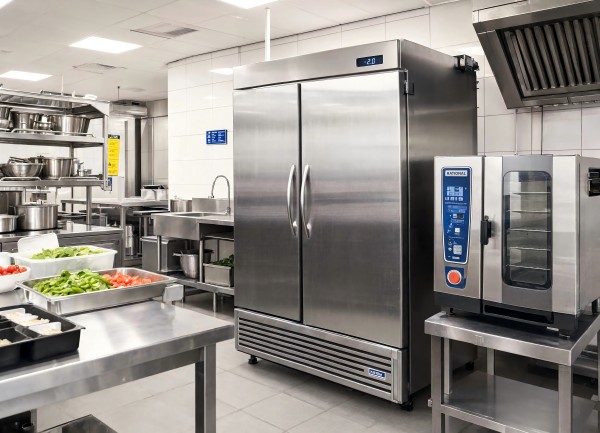
For most restaurants and foodservice operations, the commercial reach in refrigerator is the most essential piece of equipment in the kitchen. These units provide quick, organized access to ingredients during service, keeping your line cooks efficient and your food at safe temperatures.
When shopping for commercial reach in refrigerators, pay attention to these critical specifications:
Temperature consistency — Look for units that maintain 33°F to 40°F with minimal fluctuation
Door configuration — One, two, or three-section models depending on your volume
Interior capacity — Make sure it matches your actual storage needs
Energy efficiency — ENERGY STAR certified units can save 20-30% on electricity costs
A reach in commercial refrigerator with self-closing doors, LED interior lighting, and digital temperature controls might cost more upfront but pays for itself within the first two years through energy savings and reduced food spoilage.
The Gold Standard: True Refrigeration Commercial Equipment
When industry professionals talk about reliability, one name consistently comes up: True refrigeration commercial products. Founded in 1945, True Manufacturing has built a reputation for durability, energy efficiency, and consistent performance that few competitors can match.
Why Professionals Choose Commercial True Refrigerator Units
A commercial true refrigerator offers several advantages that matter in real-world kitchen environments:
Durability — True's stainless steel construction and heavy-duty hinges are engineered for doors being slammed hundreds of times per day
Eco-friendly refrigerants — Hydrocarbon R-290 refrigerants with a GWP of just 3, compared to over 1,400 for traditional R-404A
Industry-leading warranty — 3-year parts and labor with 5-year compressor coverage
Made in the USA — All manufacturing takes place in U.S. facilities, ensuring better quality control and faster access to replacement parts
Commercial Refrigerator Freezer Combo: Maximizing Space and Budget
For businesses with limited kitchen space or tighter budgets, a commercial refrigerator freezer combo can be an excellent solution. These dual-temperature units house both refrigerated and frozen compartments in a single footprint.
A commercial refrigerator freezer combo is ideal for small restaurants, food trucks, and startup operations that need to minimize initial equipment investment.
However, consider separate dedicated units when you need large volumes of both refrigerated and frozen storage, or when one compartment gets opened significantly more often than the other — frequent door openings in one section can affect temperatures in both. Also note that if a combo unit fails, you lose both refrigeration AND freezer capacity simultaneously.
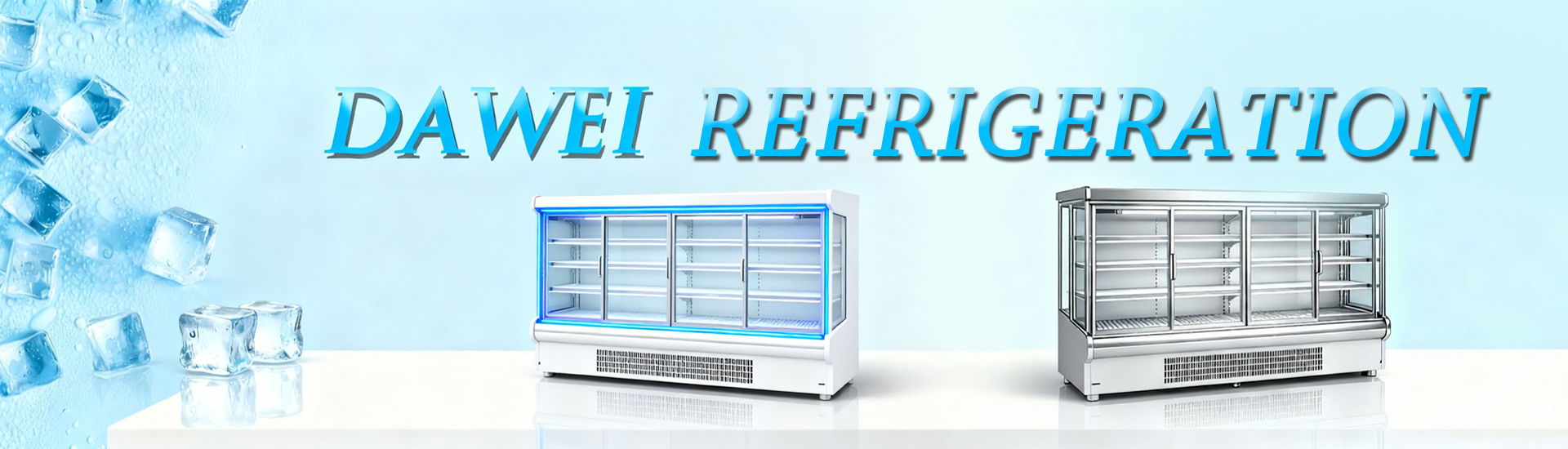
Commercial Display Refrigerator: Turning Cold Storage into Sales
For retail environments — delis, bakeries, convenience stores — a commercial display refrigerator does double duty. It keeps products at safe temperatures while merchandising them to drive impulse purchases. Studies show that well-lit, attractively arranged display refrigeration can increase sales of perishable items by 20-30%.
Key features to prioritize:
Anti-fog, double-pane glass — Keeps products visible while maintaining energy efficiency
LED lighting — Better visibility without the heat of traditional fluorescent bulbs
Adjustable shelving with price rail — Gives you merchandising flexibility for changing inventory
Night curtains — Dramatically reduce energy consumption during closed hours
The Pain Points: Common Problems and Solutions
Problem #1: Unexpected Breakdowns
When your unit goes down at 2 PM on a Saturday, you face immediate food safety risk, revenue loss, potential health code violations, and emergency repair premiums that cost 50-100% more than normal service rates.
The Solution: Establish a relationship with a qualified commercial refrigerator repair company BEFORE you need one. The best time to vet service providers is when everything is running smoothly. Look for providers who offer 24/7 emergency availability, EPA-certified technicians, transparent pricing, and preventive maintenance contracts.
Problem #2: Rising Energy Costs
Commercial refrigeration typically accounts for 30-50% of a restaurant's total energy bill. In an industry where net profit margins average just 3-9%, every dollar matters.
The Solution: Replace aging units (10+ years old) with ENERGY STAR models. Clean condenser coils quarterly — dirty coils force compressors to work 25% harder. Ensure door gaskets seal properly, as a worn gasket can increase energy consumption by 10%.
Problem #3: Inconsistent Temperatures
FDA Food Code requires potentially hazardous foods to be maintained at 41°F or below. Temperature fluctuations can lead to bacterial growth, spoilage, and serious foodborne illness liability.
The Solution: Install wireless temperature monitoring systems that send real-time alerts to your phone. Never overload units — blocking airflow is the #1 cause of temperature inconsistency. Train staff on proper door discipline and document temperature logs diligently.
Problem #4: Choosing the Wrong Equipment
Many business owners purchase refrigeration based solely on price without evaluating actual operational requirements. The result? Units that are too small, too large, or poorly suited for the environment.
The Solution: Work with a qualified commercial refrigeration installation company that will assess your storage volume, evaluate your kitchen layout, verify your electrical infrastructure, and plan for growth. Professional installation affects performance, energy efficiency, warranty validity, and equipment lifespan. A poorly installed unit can fail years before its expected service life.
Commercial Refrigeration Service: What a Proper Maintenance Program Looks Like
The difference between businesses that get 15+ years out of their equipment and those that replace units every 7-8 years almost always comes down to commercial refrigeration service and preventive maintenance.
Monthly (In-House)
Clean door gaskets, verify temperature accuracy, check that interior fans are running, and ensure drain lines are clear.
Quarterly (Professional Recommended)
Deep clean condenser coils, inspect electrical connections, check refrigerant levels, test defrost cycle operation, and lubricate fan motors and hinges.
Annual (Professional Required)
Comprehensive performance evaluation, compressor amp draw testing, thermostat calibration, gasket replacement if worn, and overall unit condition assessment.
The ROI Numbers
Without a PM program, average equipment lifespan is 7-10 years with 2-4 emergency repairs per year. With a PM program, lifespan extends to 12-17 years with 0-1 emergency calls annually. A comprehensive service contract typically costs $150-400 per unit per year — compare that to a single emergency compressor replacement of $1,500-4,000.
How to Choose the Right Partner
Credentials: EPA Section 608 certification, CFESA membership, manufacturer-authorized status, and proper licensing and insurance.
Experience: Ask specifically about experience with your equipment brand. Request references from similar businesses.
Response Time: What is their average emergency response time? Do they offer 24/7 service?
Communication: They should provide detailed written estimates, explain problems in plain language, and document all work performed.
Making the Investment: A Practical Buying Guide
Typical Price Ranges
| Equipment Type | Price Range |
|---|---|
| Single-door reach-in refrigerator | $1,500 - $4,000 |
| Two-door reach-in refrigerator | $2,500 - $6,500 |
| Three-door reach-in refrigerator | $3,500 - $8,000 |
| Refrigerator/freezer combo | $3,000 - $7,500 |
| Glass door display refrigerator | $2,000 - $10,000+ |
Financing Options
Most dealers offer equipment leasing (lower payments, easier upgrades), equipment loans (you own the asset), manufacturer financing (often 0% promotional interest), and SBA loans with favorable terms for qualifying small businesses.
New vs. Used
Used equipment can save 40-60% but carries risks — no warranty, unknown maintenance history, and reduced energy efficiency. If you go used, always have a qualified technician inspect the unit before purchase.
Future Trends in Commercial Refrigeration
IoT and Smart Monitoring — Connected systems that predict failures before they happen
Natural Refrigerants — R-290 and CO2 adoption is accelerating as HFC phasedown regulations take effect
Advanced Insulation — Vacuum insulated panels enable thinner walls and dramatically improved efficiency
Modular Designs — Flexible systems for ghost kitchens and pop-up concepts
Conclusion
Your commercial refrigeration system isn't just another piece of equipment — it's the foundation of food safety, operational efficiency, and profitability in your business. Whether you're investing in a new commercial true refrigerator, scheduling commercial refrigerator repair, or planning a complete commercial refrigeration installation, the decisions you make today will impact your bottom line for years to come.
Don't wait for a crisis. The most successful foodservice operators treat their refrigeration systems as strategic assets, invest in quality equipment, maintain it religiously, and partner with experts who understand the stakes.
Your food, your customers, and your business deserve nothing less.