

Introduction
A kitchen island freezer brings convenience, extra storage, and a seamless built-in look to modern kitchens. Unlike upright freezers, these units are designed to fit under the counter, often in drawer form, and integrate perfectly into island cabinetry. Choosing the right one requires understanding dimensions, ventilation, drawer configuration, cooling systems, and brand reliability.
1) Precise Measurements — the Most Important Step
A perfect island installation starts with exact cutout dimensions.
· Check the manufacturer’s required cutout width, height, and depth.
· Account for the thickness of custom panels if you choose a panel-ready model.
· Ensure the drawer can fully extend without hitting adjacent cabinet doors, handles, or the island seating area.
· Verify toe-kick alignment and the island’s internal bracing to support the unit’s weight.
Proper measurement avoids the most common installation failures: drawers that cannot open fully, units that sit proud of the cabinetry, or cutouts that require costly modification.

2) Ventilation & Heat Management
Freezers generate heat, and island cabinets are enclosed. Proper ventilation is non-negotiable.
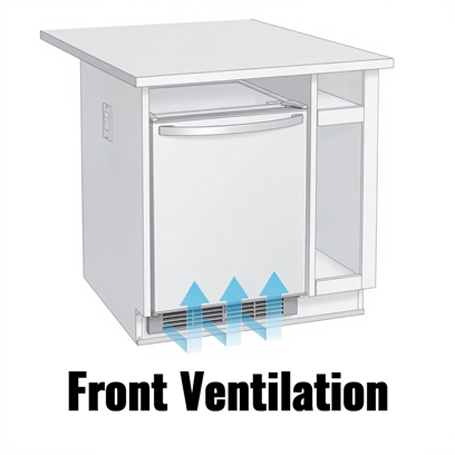
· Front-venting design is ideal. These models pull air in and exhaust it through the toe-kick, eliminating the need for rear clearance.
· Avoid rear-venting or top-venting freezers for islands — they require space that an enclosed island cannot provide.
· Follow the manual’s airflow requirements (minimum open area, vent height, etc.) to prevent overheating or compressor wear.
Choosing the right ventilation style is critical for long-term reliability.
3) Drawer Configuration & Access
Since most kitchen island freezers are drawer-style, configuration matters.
· Single wide drawer
Best for large platters, frozen meats, meal-prep containers, or bulkier items.
· Double stacked drawers
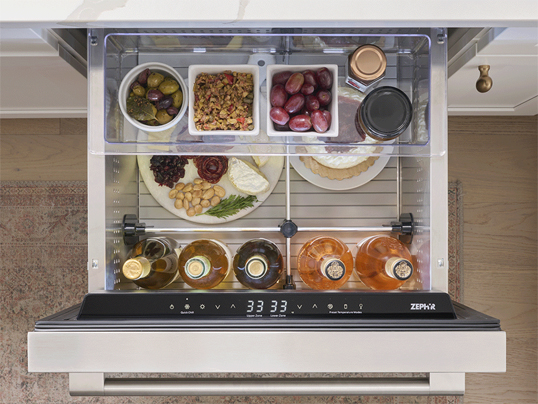
Great for organization, smaller items, and separate temperature zones.
Other features to prioritize:
· Full-extension glides
· Soft-close mechanisms
· Adjustable dividers and bins
· LED interior lighting
Drawer design directly affects day-to-day convenience.
4) Cooling System & Performance
Your island freezer should maintain stable temperatures despite frequent opening.
· Compressor cooling delivers reliable freezing and rapid temperature recovery.
· Frost-free (automatic defrost) saves maintenance time and prevents ice buildup in drawers.
· Direct-cool/manual defrost units are quieter and more energy-efficient but require occasional defrosting.
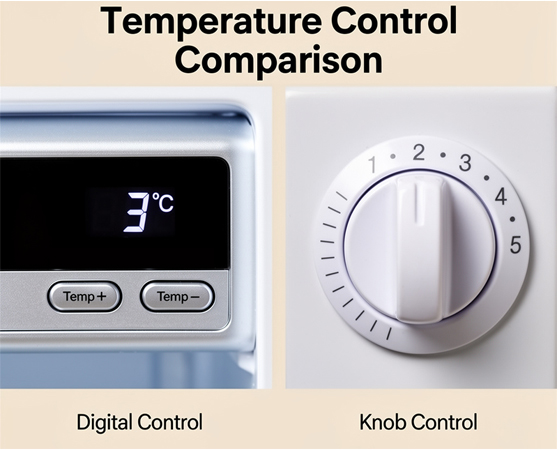
· Look for accurate digital temperature controls, not dial knobs.
If your household opens the freezer frequently, frost-free models perform better.
5) Energy, Noise & Everyday Usability
With open-concept kitchens becoming the norm, pay attention to:
· Noise levels (dBA) — lower numbers are better for island placement.
· Energy usage — check annual kWh to compare models.
· Internal layout — adjustable bins, sliding baskets, and clear dividers improve usability.
Convenience often matters as much as cooling performance.

6) Brand Reliability & After-Sales Service
Since kitchen island freezers are built-in, future repairs matter.
· Choose brands known for strong installation documentation and reliable components.
· Confirm warranty length, especially for the compressor.
· Check that local service technicians support the brand.
A freezer that is easy to service can save you major headaches later.

Final Buying Checklist
Before purchasing, confirm:
✔ All cutout dimensions are correct
✔ Drawer clearance and panel thickness are calculated
✔ Front-venting design fits your island layout
✔ Noise and energy levels meet your expectations
✔ Frost-free or manual defrost matches your habits
✔ Reliable service is available in your region