
Introduction
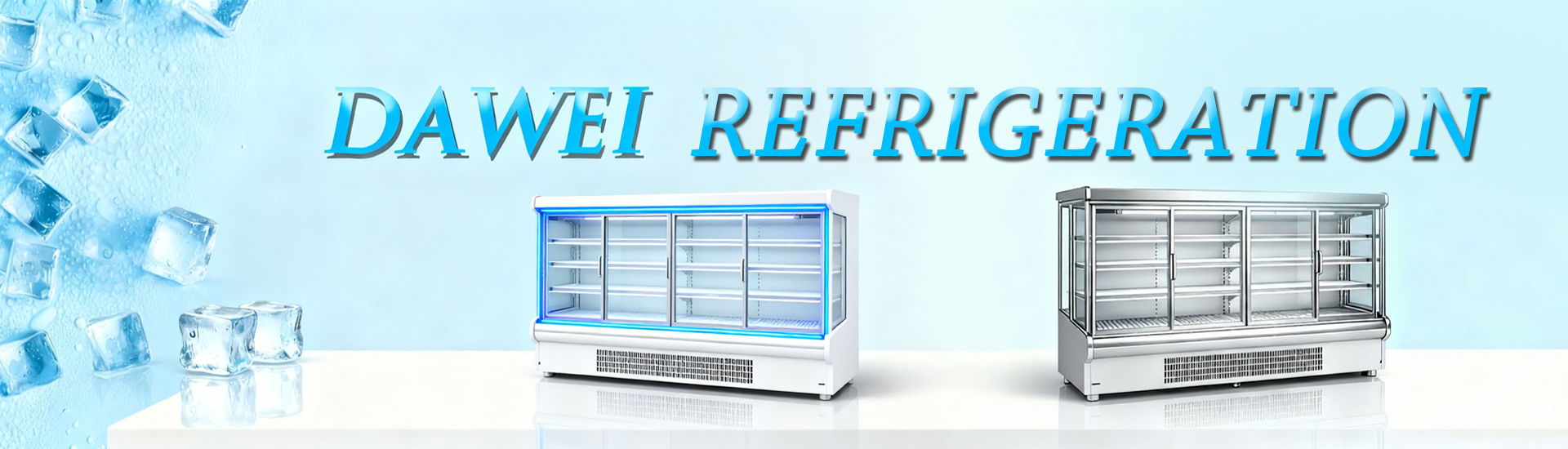
A commercial freezer is a vital investment for restaurants, supermarkets, and food service businesses. Proper usage and maintenance not only improve cooling performance but also save energy and extend the unit’s service life. In this guide, we’ll walk you through best practices for installation, daily operation, cleaning, and troubleshooting.
Placement and Installation
The way you set up your freezer has a direct impact on its performance.
· Level Placement: Always position the freezer on a flat, solid surface. Adjust the castors or leveling feet if necessary to keep it perfectly balanced.
· Adequate Ventilation: Leave at least 20–30 cm of clearance around the cabinet, especially the back and sides, for proper heat dissipation. Avoid placing it near ovens, stoves, or direct sunlight.
· Dedicated Power Supply: Plug the freezer into a stable, grounded outlet. Using extension cords can lead to voltage fluctuations and unsafe conditions.
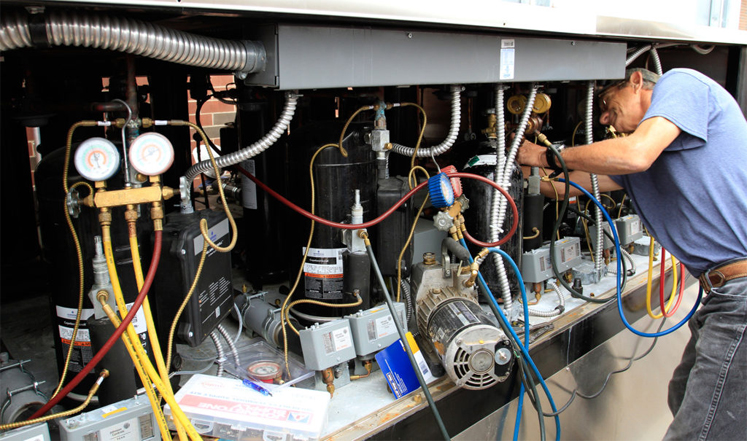
 Tip: Good ventilation and stable power are two of the simplest yet most effective ways to prevent compressor problems.
Daily Operation
Daily habits determine both food safety and energy efficiency.
· Limit Door Openings: Minimize how often and how long the door is opened to prevent cold air loss and reduce strain on the compressor.
· Do Not Overload: Never exceed the maximum load line. Keep airflow clear to ensure consistent cooling.
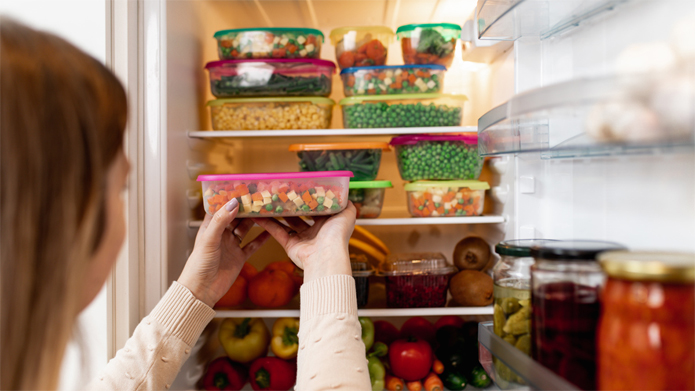
· Organized Storage: Store items by category and leave space between them for better air circulation.
· Cool Items First: Never place hot or warm food directly inside. Allow items to reach room temperature before freezing to maintain efficiency and protect existing products.
· Close Securely: After each use, check that the door is fully closed and the gasket is tightly sealed.
Cleaning and Maintenance
Routine care greatly extends the freezer’s lifespan.
· Interior and Exterior Cleaning: Wipe down monthly with a soft cloth and neutral cleaner, then rinse with clean water.
· Defrosting: If you own a direct-cool freezer, manual defrosting is essential. Frost buildup lowers efficiency and increases energy costs.
· Door Gasket Check: Inspect seals regularly for dirt, cracks, or wear. Clean them with warm soapy water to prevent air leaks.
· Condenser Coil Care: Every 3–6 months, clean the condenser coils with a brush or vacuum. Dust buildup restricts airflow and can cause overheating.
 Tip: A dirty condenser is one of the most common causes of high energy bills in commercial kitchens.
Monitoring and Emergency Handling
Consistent monitoring keeps your freezer safe and reliable.
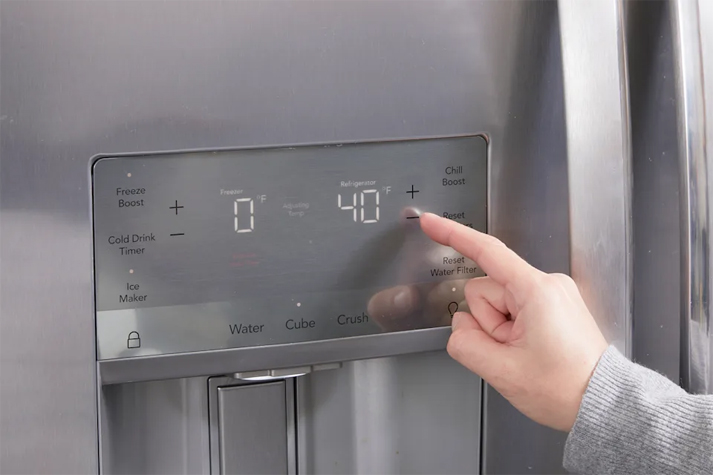
· Temperature Logging: Record the internal temperature daily. It should remain at -18°C (0°F) or lower to meet food safety standards.
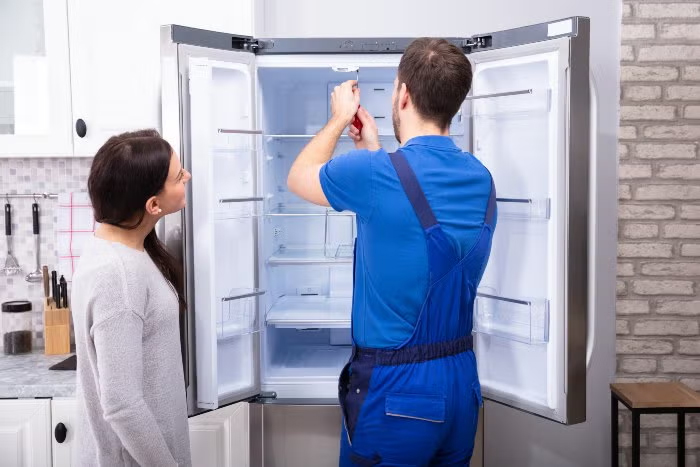
· Troubleshooting Signs: Reduced cooling, strange noises, or a constantly running compressor indicate an issue. Stop using the freezer and contact qualified service personnel. Never attempt self-repairs.
Conclusion
Maintaining a commercial freezer is not complicated, but it does require consistency. From proper placement and organized storage to regular cleaning and temperature checks, every step contributes to efficiency, energy savings, and food safety. By following these guidelines, you’ll protect your investment and ensure reliable operation for years to come.