
Introduction
When it comes to running a restaurant, café, convenience store, or hotel, investing in the right commercial freezer is essential. Unlike domestic models, commercial units are built to withstand high-intensity use, frequent door openings, and large storage demands. To make a smart purchase, you’ll need to balance performance, capacity, type, energy efficiency, and ease of use.
Here’s a complete guide to help you choose the perfect freezer for your business.
Types and Styles of Commercial Freezers
Different businesses have different needs, and freezer design plays a huge role in daily efficiency:
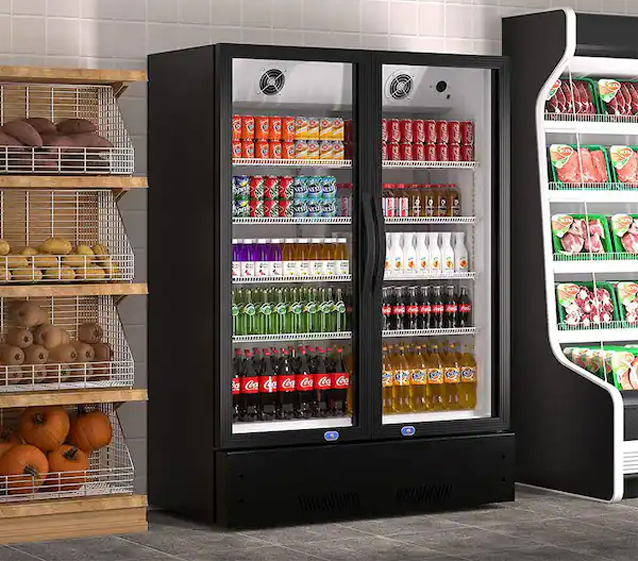
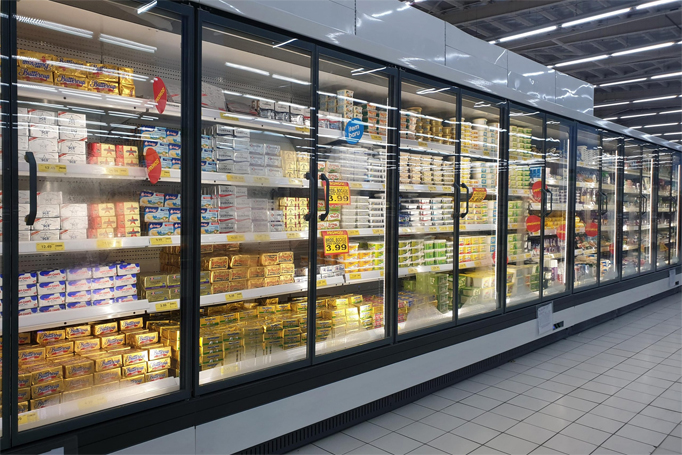
· Upright Freezers: Ideal for kitchens with limited space. They save floor area and make it easier to organize a variety of products.
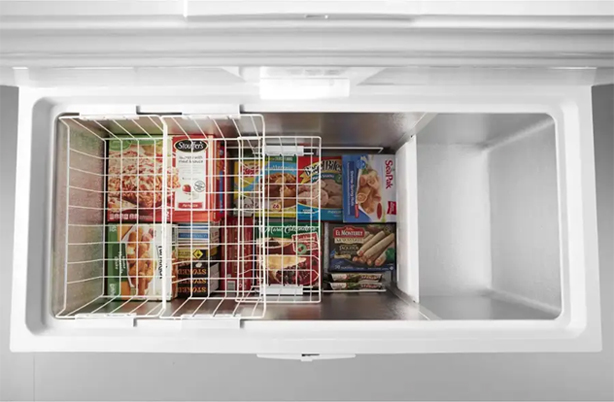
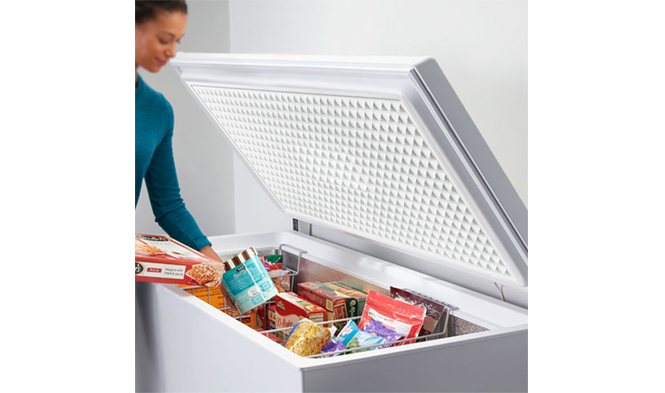
· Chest Freezers: Offer more usable capacity for the same footprint, at a lower cost. They retain cold air more effectively, making them perfect for bulky or heavy items. However, items at the bottom may be harder to access.
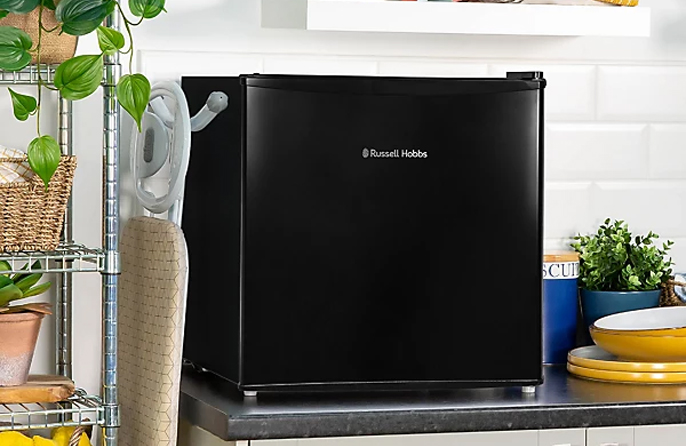
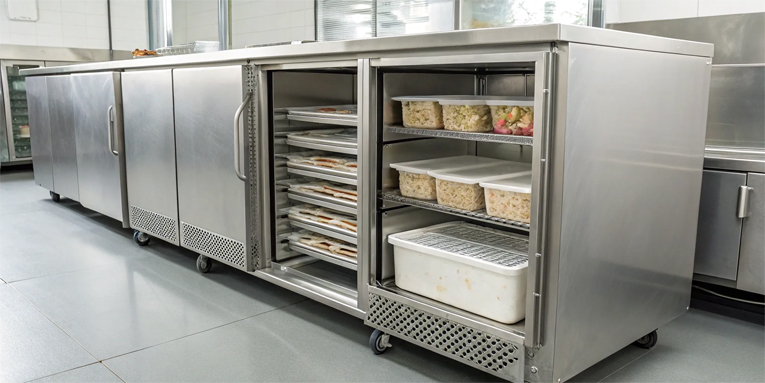
· Countertop Freezers: Compact and versatile, featuring a flat stainless-steel top that doubles as a prep surface. A great choice for cafés, convenience stores, or small kitchens.
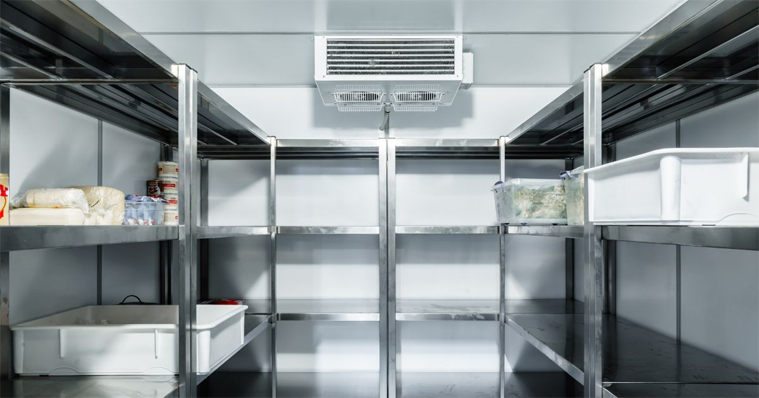
· Walk-in Freezers: Designed for large restaurants, hotels, or wholesalers. Their massive capacity allows staff to walk inside for easy access.
 Tip: Start by clarifying your main purpose—whether you need bulk storage or easy product access will largely determine the right type.
Capacity and Dimensions
Before making a purchase:
· Evaluate your needs: Consider daily customer traffic, menu variety, and purchasing frequency. Freezer capacity is usually measured in liters (L) or cubic feet (cu.ft).
· Measure your space: Check not only the installation area but also doorways and hallways to ensure smooth delivery. Don’t forget to leave enough clearance for ventilation.
Temperature and Performance
A reliable commercial freezer must cool quickly and recover temperature fast after frequent openings.
· Cooling speed: Review specifications for recovery time.
· Temperature range: Ensure the unit can consistently maintain at least -18°C (0°F).
· Defrost system:
· Manual (static cooling): Lower cost but requires regular manual defrosting.
· Frost-free (fan cooling): Provides even temperature and automatic defrost, but at a higher price.
Energy Efficiency and Operating Costs
Energy costs make up a big part of your long-term investment.
· Energy rating: Choose a high-efficiency model. While the upfront cost may be higher, electricity savings quickly add up.
· Total cost of ownership: Factor in purchase price, power consumption, and maintenance.
 Tip: Look for models with polyurethane foam insulation and a strong magnetic door seal—both improve cooling efficiency and reduce energy waste.
Build Quality and Materials
Durability is critical for commercial environments.
· Exterior: Powder-coated steel is common.
· Interior: Stainless steel, ideally 304-grade, is highly recommended for its durability, corrosion resistance, and easy cleaning.
· Insulation: Thick polyurethane foam improves energy performance.
· Doors & Seals: Magnetic gaskets ensure tight sealing and consistent cooling.
· Shelves & Baskets: Adjustable, sturdy shelves improve flexibility.
Usability and Maintenance
Ease of use can make a big difference in daily operations.
· Handles and locks: Lockable doors help with inventory control.
· Drain plugs: A removable drain makes cleaning more convenient.
· Casters: Freezers with wheels are easier to move for cleaning and rearrangement.
Quick Checklist Before Buying
1. Define your purpose → Select type and capacity.
2. Measure installation space → Confirm dimensions.
3. Set a budget → Balance upfront and long-term energy costs.
4. Prioritize performance → Look for fast cooling and stable temperature.
5. Check build quality → Prefer stainless-steel interiors.
6. Confirm energy rating → Opt for high-efficiency models.
7. Test usability → Doors, seals, shelves, and handles should meet your needs.
Conclusion
Choosing the right commercial freezer requires careful evaluation of type, capacity, performance, materials, and efficiency. By considering both upfront investment and long-term costs, you’ll secure a freezer that supports your business operations while saving energy.
Whether you’re running a small café, a busy restaurant, or a large hotel, a well-chosen freezer ensures safe food storage, smoother kitchen workflows, and better cost control.